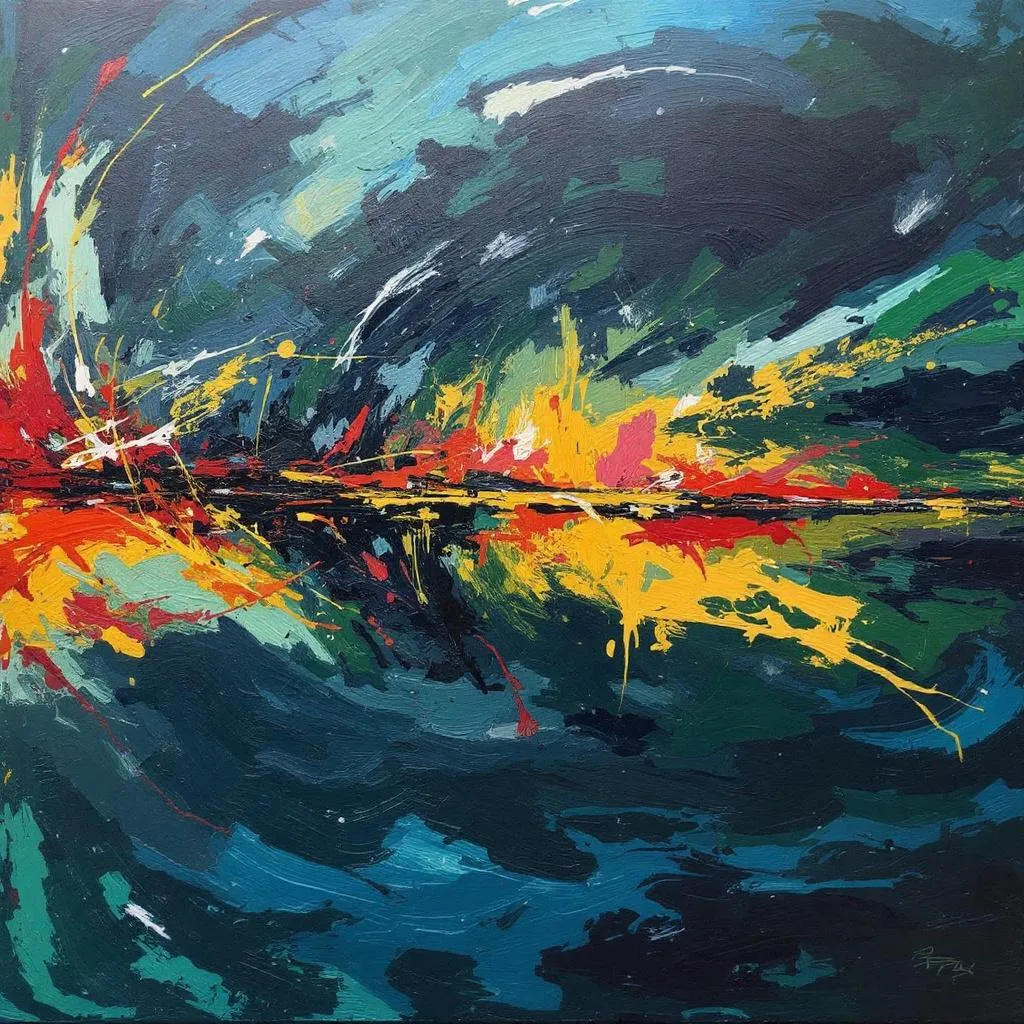
On Brazil’s National Paralympic Athlete Day, a story about a meeting, a rowing stroke, and the search for new ways to preserve what movement carries.
What are we doing with our energy?
The question can feel abstract until someone makes it tangible. For me, part of the answer began at Instituto Remo Meu Rumo.
Before the technology, there was a meeting
At Remo Meu Rumo, an organization that supports Brazil’s Paralympic rowing team, I was introduced to Paralympic athlete Renê Pereira.
Energy there was never an abstract idea. It lived in preparation, repetition, precision, and persistence. It was also present in the people who support the sport, make training possible, and help each athlete move forward.
Meeting Renê raised a simple question: could we capture something about his rowing that a single image could not show?
“The Cry of the Oar — In Tune with the Z Axis”
On May 30, 2025, at the USP rowing course in São Paulo, we explored that question with Renê using sensors, audio, and video. We wanted to observe his movement from different perspectives and learn what the data might reveal.
Among the biomechanical records, we paid particular attention to the Z axis, related to the forward and backward movement of the torso. In rowing, this motion is part of a precise sequence of preparation, drive, and recovery. The graphs made the gesture measurable, but they could not contain the whole experience.
There was effort, rhythm, resistance, and intent. There was a person within the data.
What if we could transform that energy?
With the help of artificial intelligence, the records were interpreted and transformed into an expressionist artwork. Its lines, shapes, and colors did not try to reproduce the row literally. They offered a sensitive response to the intensity of the movement.
The result suggested that images, audio, video, movement, data, and personal stories do not have to remain separate. When brought together with purpose, they can become art, memory, content, experience, and new forms of value.
The artwork does not replace Renê’s story, and it does not claim to speak for him. It emerged from an encounter with his movement and only has meaning because a person remains at its center.
If I created it, who should own this asset?
This question came later, yet it was already present in the experiment. When an athlete creates a gesture, a story, and a body of data capable of generating an artwork, that contribution deserves recognition.
The idea helped shape a principle that now guides PicFlow: keeping creators at the center, with authorship, context, privacy, transparency, and the ability to decide how their stories become part of an experience.
It is also one of the conceptual roots of Energy Cards. More than a record of how a moment looked, an Energy Card can connect a physical object to the digital world around it: the movement, sound, narrative, and person that made the moment unique.
An early chapter in the PicFlow vision
There was no complete definition of what would follow that day. There was an experiment, a set of questions, and a discovery.
We began to see how technology could reveal stories without stripping away their human dimension. A physical moment could continue as a digital experience. Data could become a language. An image could open the way to something larger.
The experiment with Renê became one of the conceptual starting points for today’s PicFlow vision: transforming photos, videos, audio, movement, data, and stories into digital and phygital assets and experiences.
Where do we want this to lead?
We want to use technology to reveal stories, welcome different perspectives, and create new possibilities. We want to contribute to a more human, inclusive, and sustainable creative economy, one in which people, diversity, partnerships, and impact are part of the value being built.
This path did not begin with a final answer. It began with a willingness to observe, listen, and experiment.
A tribute that remains
On Brazil’s National Paralympic Athlete Day, we return to this story to honor Renê Pereira and every athlete who transforms effort into movement, movement into a journey, and a journey into inspiration.
We also recognize Instituto Remo Meu Rumo, which made this meeting possible and supports Brazil’s Paralympic rowing team.
The row took place on a particular day. The sensors were switched off. The boat left the water. What that gesture taught us is still here.
The movement passes. The energy remains.
Discover the stories and experiences continuing to take new forms through PicFlow.
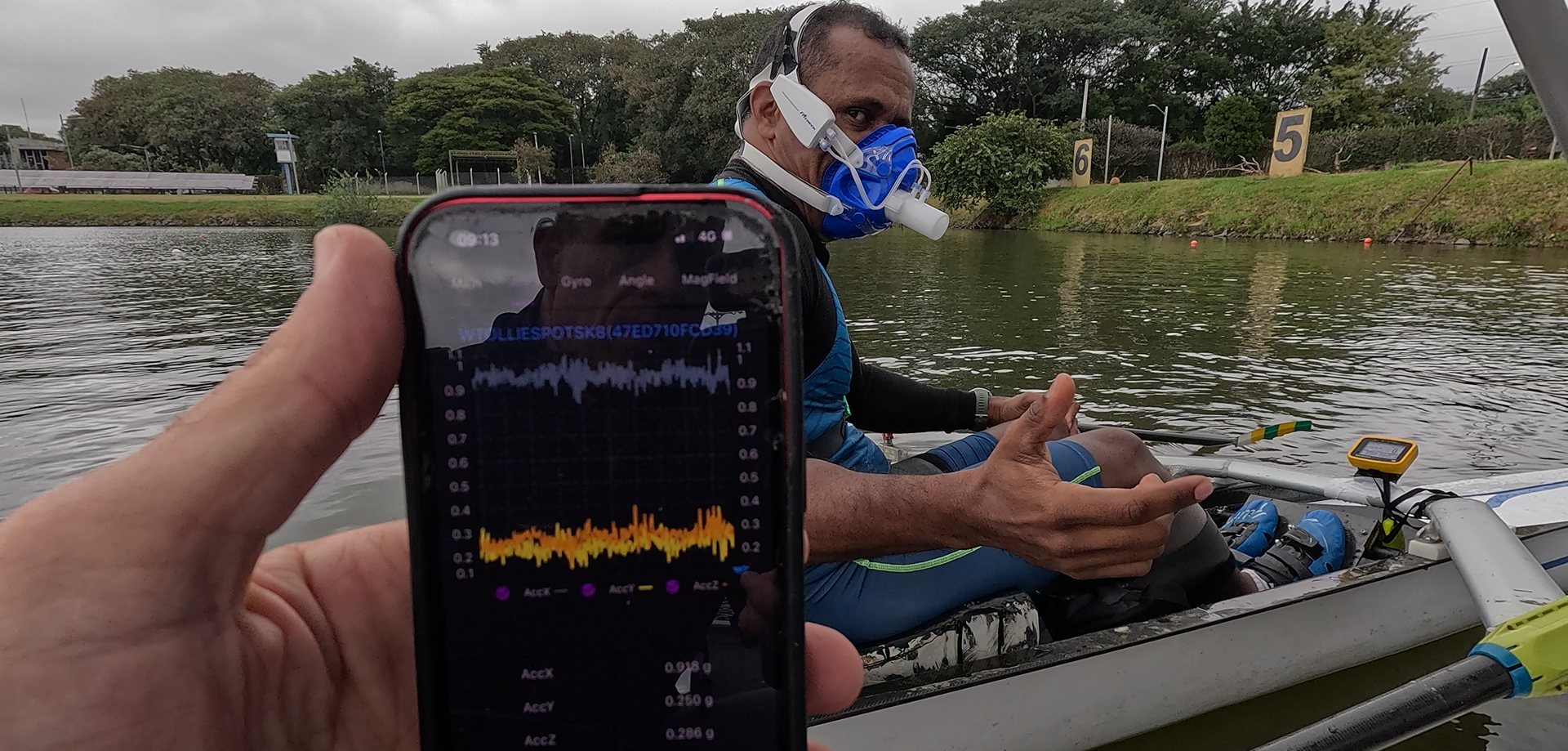
Renê Pereira during the early experiments that helped inspire PicFlow’s vision: transforming movement, data, and stories into new digital experiences.
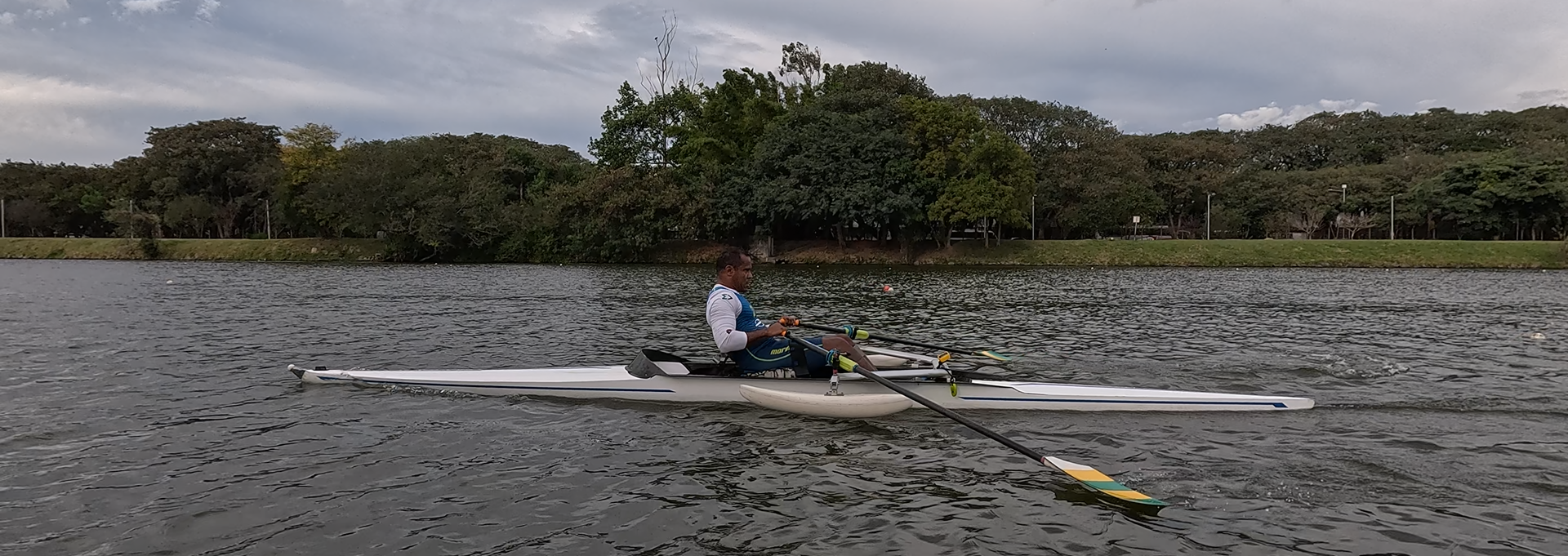
Renê Pereira in action at the USP Olympic Rowing Course — sport, movement, and data as a starting point for new ways of telling stories.